


















Manual seedling transplanting is labor-intensive and costly for vegetable farms worldwide. Many growers turn to mechanical equipment to optimize spending. A reliable vegetable seedling transplanter not only raises working efficiency but also helps you manage the overall vegetable seedling transplanter cost reasonably.
Problems caused by manual transplanting
Traditional manual seedling planting needs multiple workers to complete digging, placing seedlings, and covering soil. Slow working speed leads to delayed planting schedules.
Continuous high labor wages become a long-term financial burden, greatly increasing the total planting expenditure.
Manage vegetable seedling transplanter cost for better returns
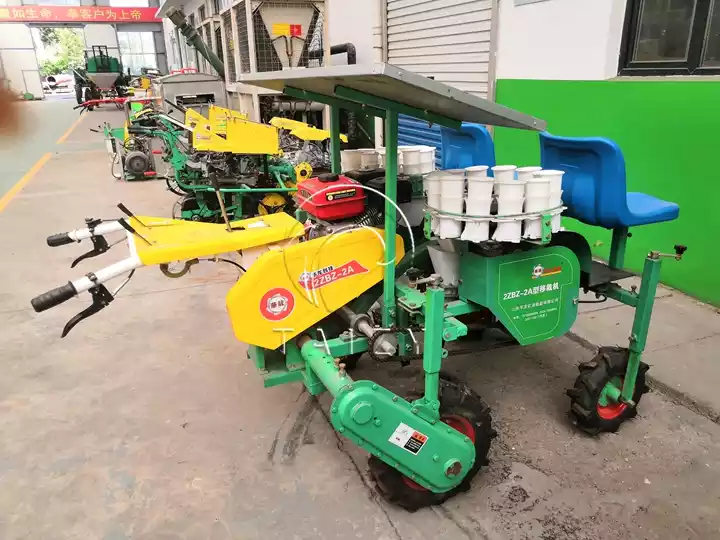
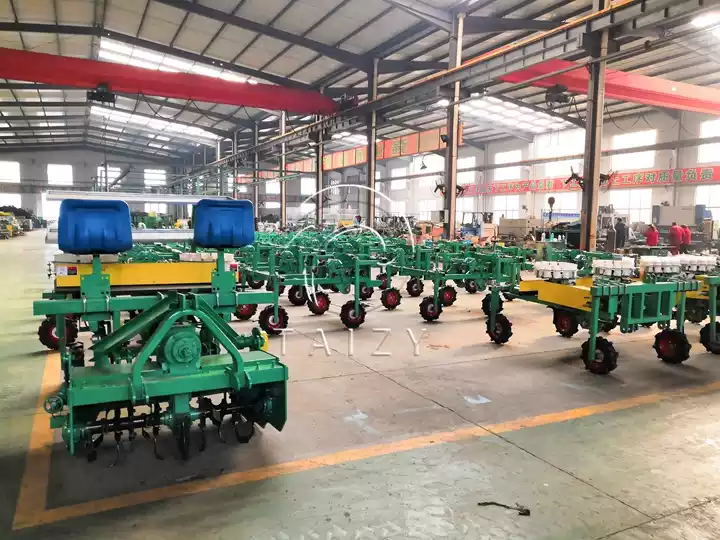
The vegetable seedling transplanter cost is worthwhile when calculating long-term returns. This all-in-one machine finishes feeding, planting, and soil covering automatically.
It only needs 1-2 operators, replacing a large manual team. The one-time equipment investment quickly offsets repeated labor expenses.
High efficiency reduces extra expenses
The machine runs steadily with uniform planting depth and spacing. It covers more farmland per hour than manual work.
Shortened work cycles avoid overtime fees and the hiring of temporary workers, further lowering daily operational costs for farms.
Αυτό vegetable seedling transplanter machine features intuitive controls and easy maintenance. Farmers can master the operation in a short time, with no need to hire professional technicians.
A low failure rate reduces repair and replacement costs, making the total use cost more competitive.
For vegetable growers, choosing a vegetable seedling transplanter is a smart choice. It balances equipment investment and daily spending, drastically reducing labor costs and delivering greater economic benefits.