

















Forage Harvester for Silage: Wheeled, Crawler & Mounted Solutions
Forage Harvester for Silage: Wheeled, Crawler & Mounted Solutions
Green feed silage harvester | Forage cutting harvester
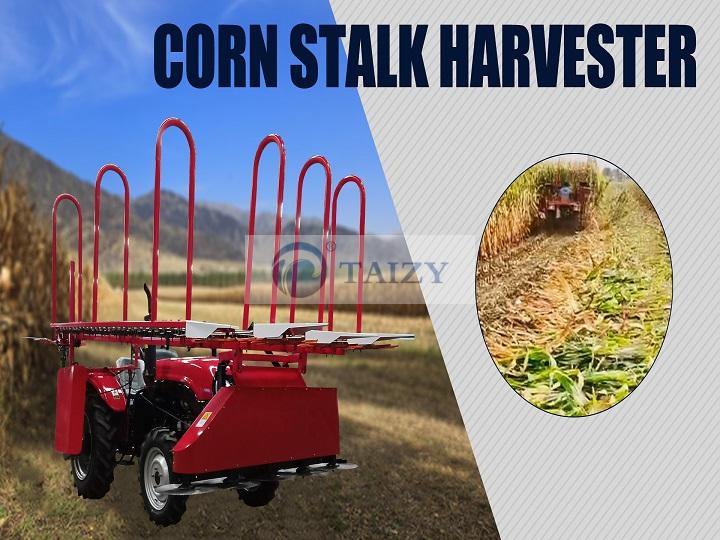
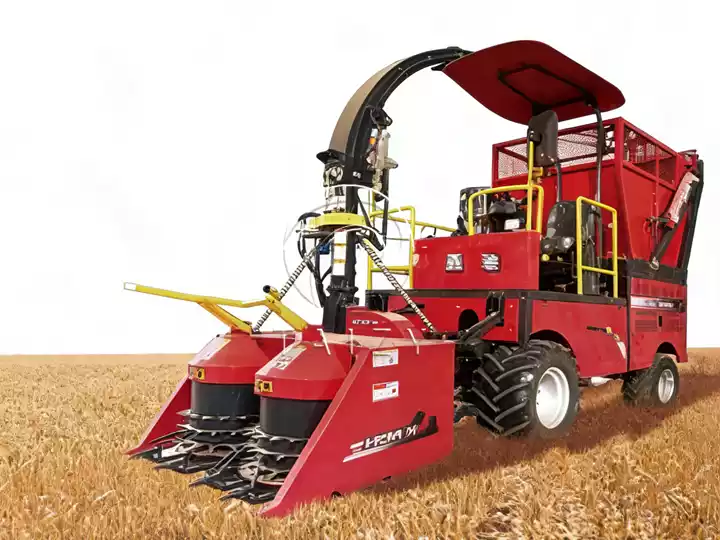
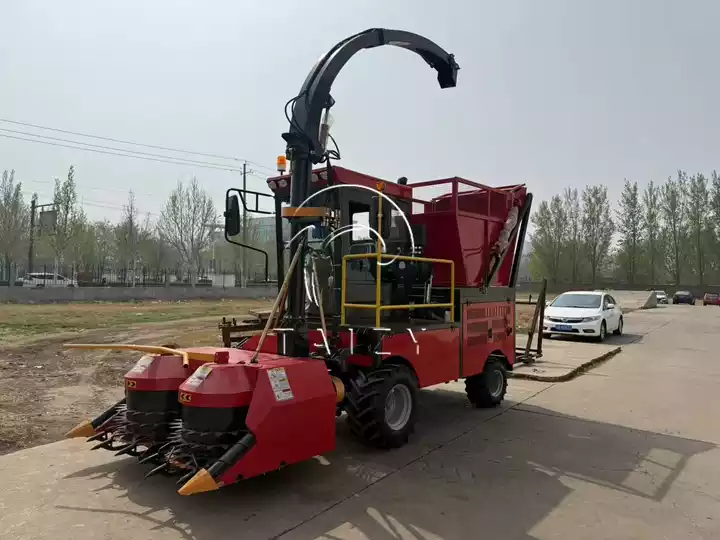
The forage harvester is a modern agricultural and livestock machine that integrates cutting, chopping, conveying, and discharging into a single unit. It is widely used for the harvesting and processing of silage crops such as corn stalks, forage grass, and sorghum. It enables continuous operation and simultaneous harvesting and loading, significantly reducing the need for manual labor and improving operational efficiency.
Depending on the model and configuration, the equipment can achieve an operational efficiency of 0.3–1.0 hectares per hour, with adjustable chopping lengths (typically 5–20 mm). This ensures that silage is easier to compact and ferment, thereby improving feed quality and utilization.
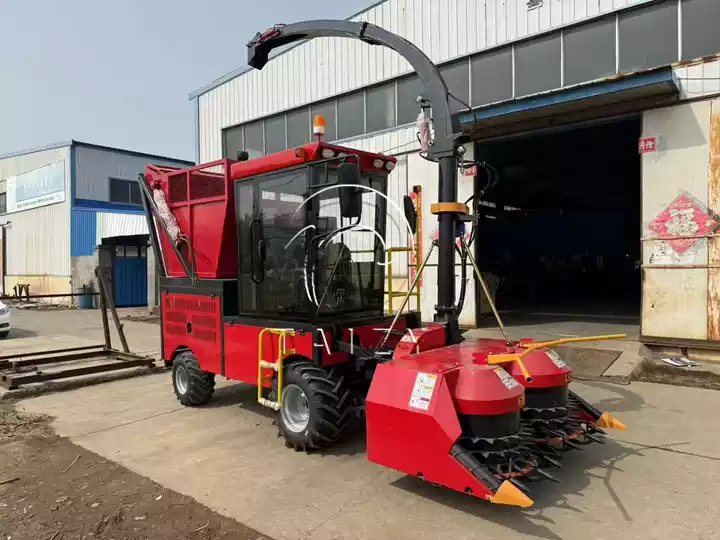
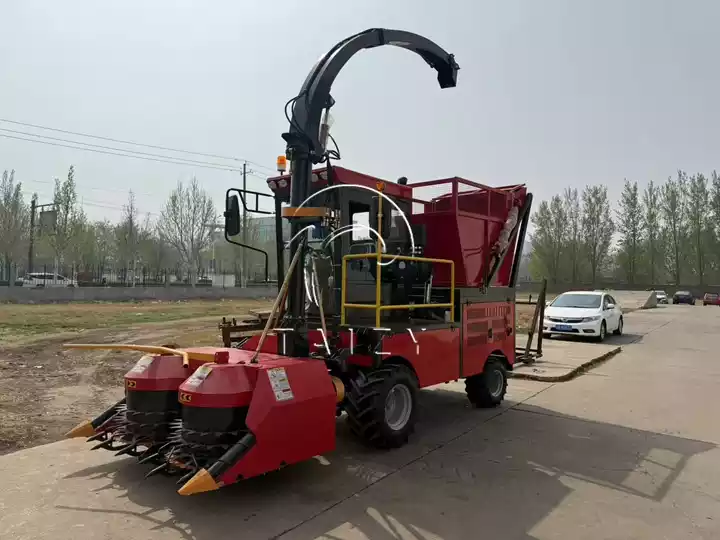
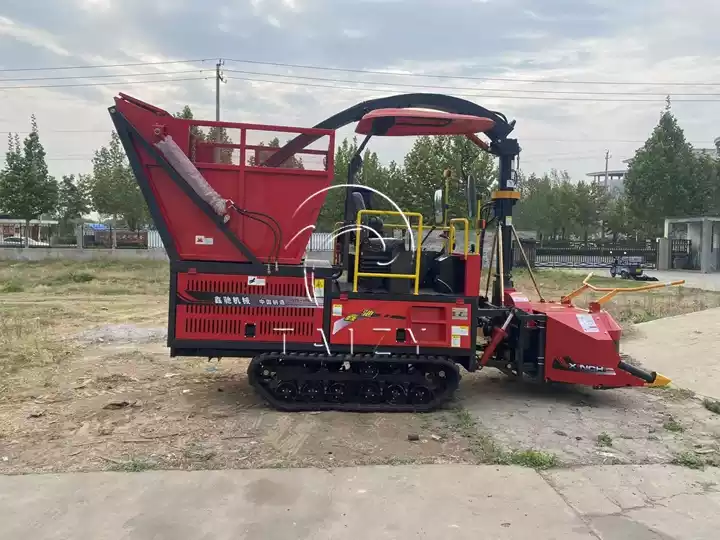
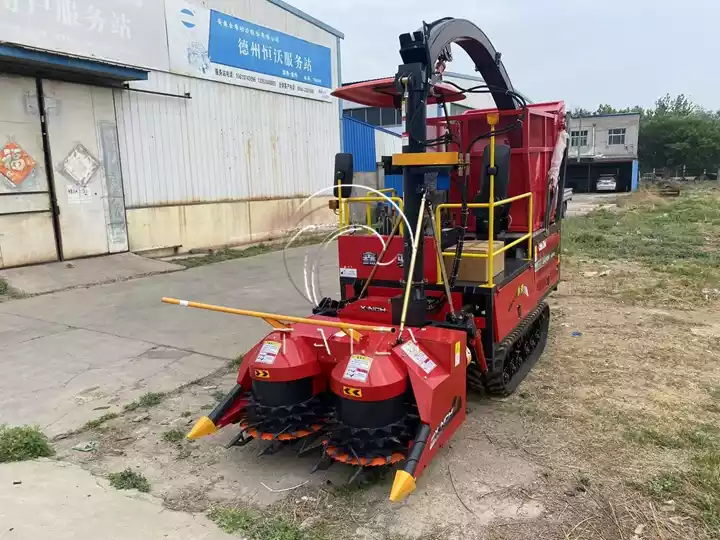
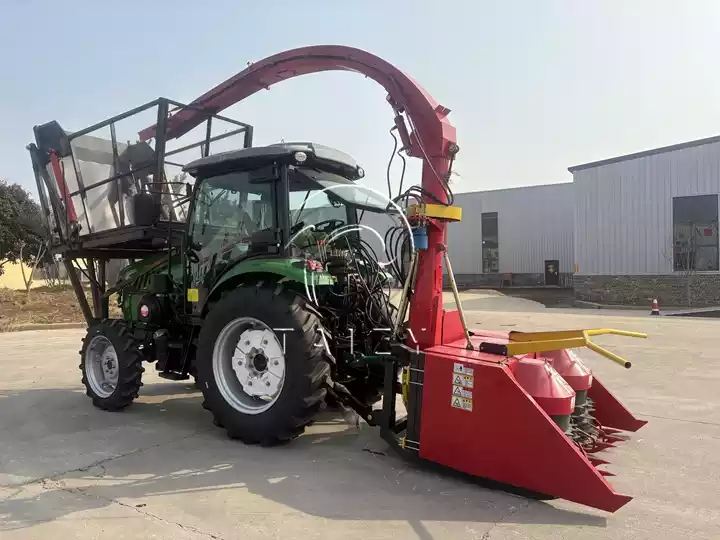
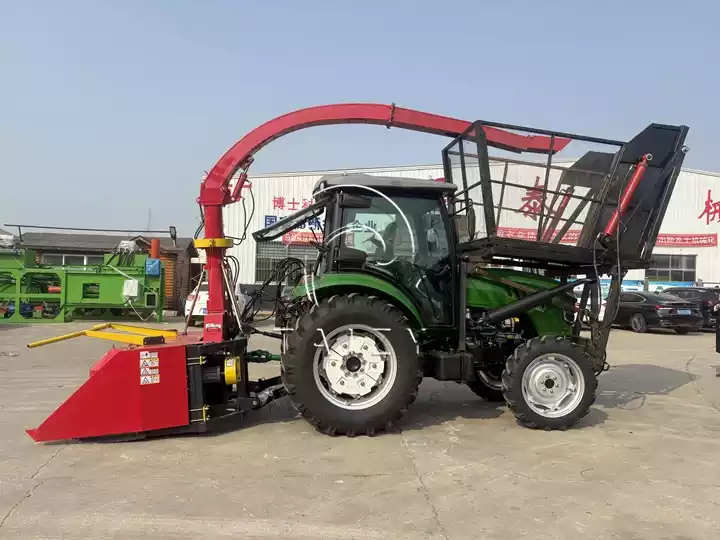
This series offers a variety of silage headers, including wheeled, tracked, and backpack models, allowing for flexible selection based on terrain conditions and operation scale. Suitable for pastures, livestock farms, and agricultural cooperatives, these machines help achieve mechanized and large-scale silage production.
Applications of the forage harvester machine
Silage harvesters are primarily used for harvesting and processing various forage crops and have a wide range of applications:
- Whole-plant harvesting and chopping of corn silage.
- Processing of forage crops such as alfalfa and ryegrass.
- Utilization of straw crops such as sorghum and sugarcane tops.
- Daily feed processing and storage at livestock farms.
- Centralized operations at agricultural cooperatives and large-scale farms.
Silage harvester machine structural advantages
In terms of structural design, the forage harvester places greater emphasis on durability and operational stability:
- High-efficiency chopping system: equipped with wear-resistant alloy blades for uniform chopping, enhancing silage quality.
- Powerful ejection system: long ejection distance allows for direct loading onto trucks, reducing intermediate steps.
- Hydraulic control system: flexible operation adapts to varying crop heights and densities.
- Compact chassis design: agile turning and excellent maneuverability make it suitable for diverse terrains.
- Reinforced key components: extends service life and reduces maintenance costs.
How does the forage harvester machine work?
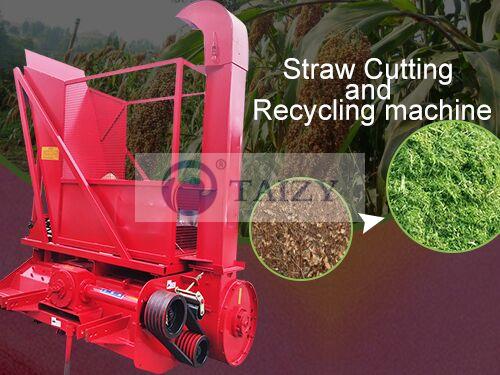
The silage harvester uses its powertrain to drive the front-mounted header, which cuts the crop and feeds it into the chopping unit, where it is shredded by high-speed rotating blades.
The material is then carried by an airflow generated by the fan into the discharge chute and directly discharged into the transport vehicle, achieving an integrated “harvesting–chopping–loading” workflow.
Introduction to three types of silage harvesters
Wheeled silage harvester
Wheeled models are suitable for operation on flat, large-scale farmland.
They feature fast travel speeds, high operational efficiency, and easy relocation, making them ideal for large-scale farming operations.
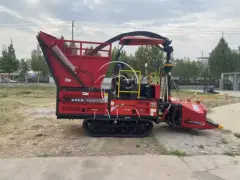
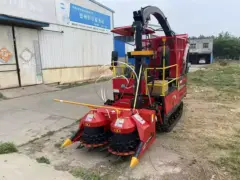
Tracked silage harvester
Tracked models are primarily designed for muddy, wet, or complex terrain.
They offer excellent traction and stability, are less prone to slipping, and are particularly suitable for paddy fields in southern regions or rainy season operating conditions.
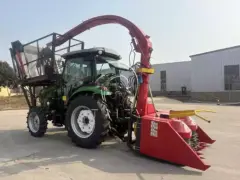
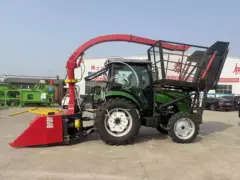
Mounted silage cutter
Mounted cutters require use with a tractor and involve lower overall investment costs.
They offer high flexibility and are suitable for small and medium-sized farmers or operations on scattered plots, making them an economical and practical choice.
What’s the price of a green feed harvester?
The price of forage harvesters is primarily influenced by the type of equipment, power specifications, and functional differences:
- Backpack-style: lower initial investment, suitable for users with limited budgets.
- Wheeled/tracked: relatively higher price, but with greater efficiency and a higher degree of automation.
We offer customized configurations based on customer needs. Please feel free to contact us for detailed quotes and recommendations.
How to choose the suitable forage harvester?
When purchasing a silage harvester, we recommend focusing on the following factors:
- Terrain conditions: wheeled models are preferable for flat terrain, while tracked models are recommended for complex terrain.
- Operational scale: the larger the area, the more efficient the model should be.
- Power matching: confirm that the power of the tractor or self-propelled system is compatible.
- Chopping performance: this directly affects silage quality and subsequent utilization.
- After-sales service: ensure long-term, stable operation of the equipment.
Silage green feed harvester technical parameters
| आइटम | Wheeled Type | Crawler Type | Mounted Type |
| पावर | 50–100 HP | 60–120 HP | ≥50 HP Tractor |
| क्षमता | 0.5–1.0 ha/h | 0.3–0.8 ha/h | 0.3–0.6 ha/h |
| Cutting Length | 5–20 mm | 5–20 mm | 5–20 mm |
| Working Width | 1.3–2.2 m | 1.3–2.0 m | 1.0–1.8 m |
| Discharge Type | Hydraulic throwing | Hydraulic throwing | PTO संचालित |
| आवेदन | Flat land | Wet/rough terrain | Small farms |
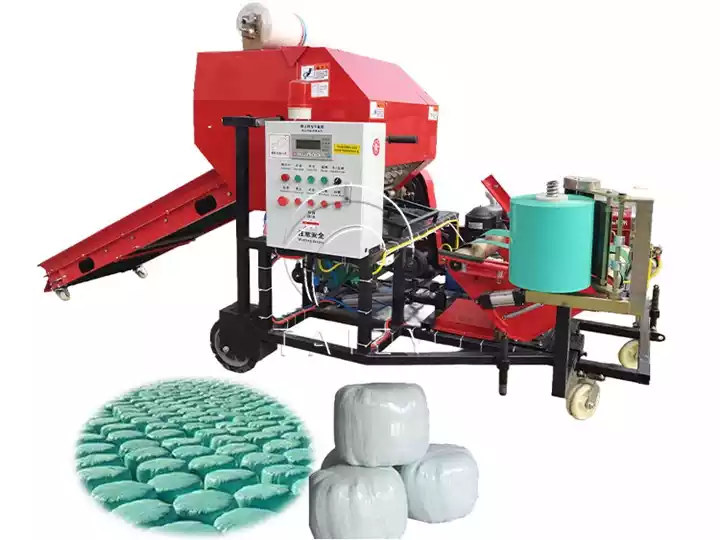
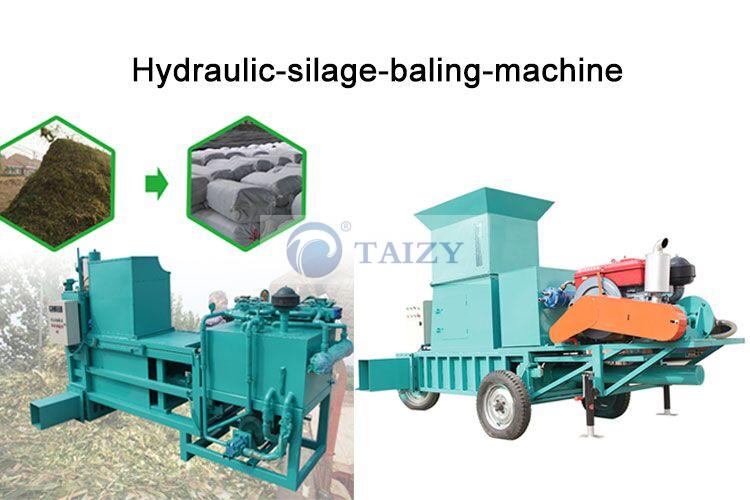
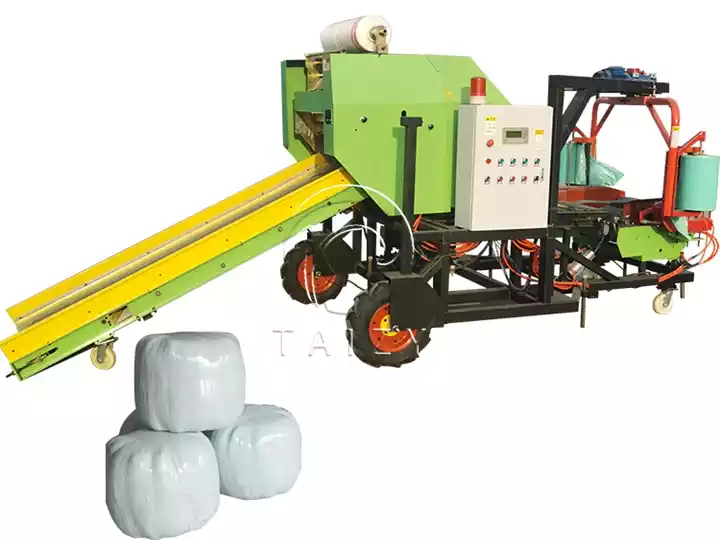
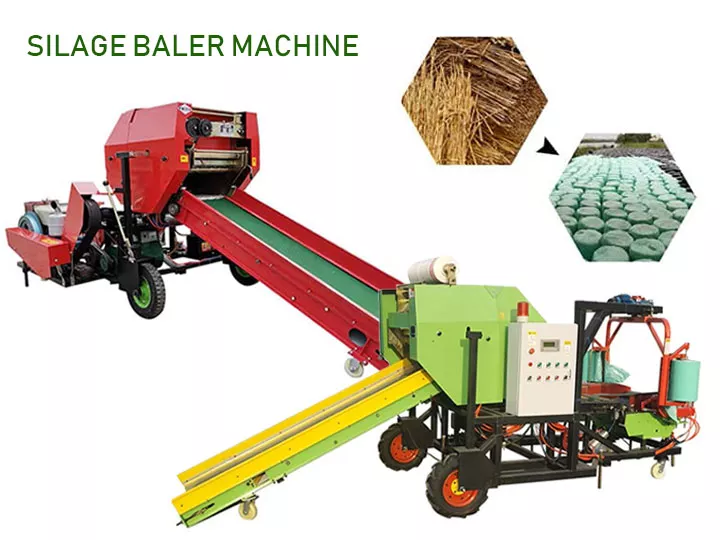
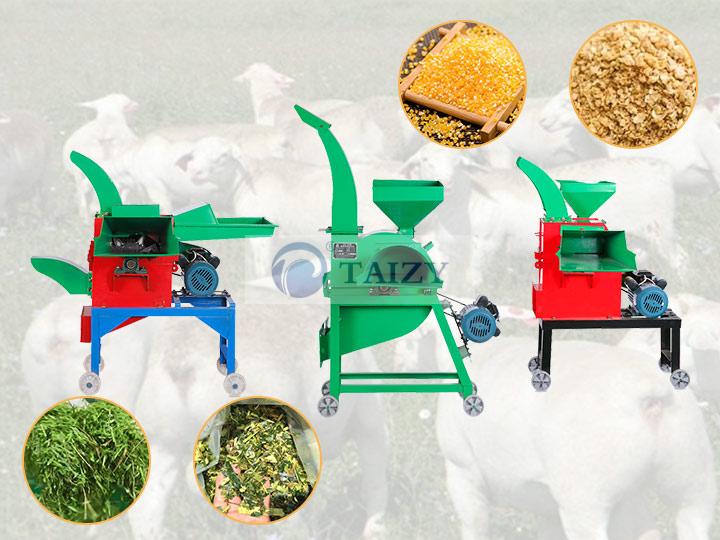
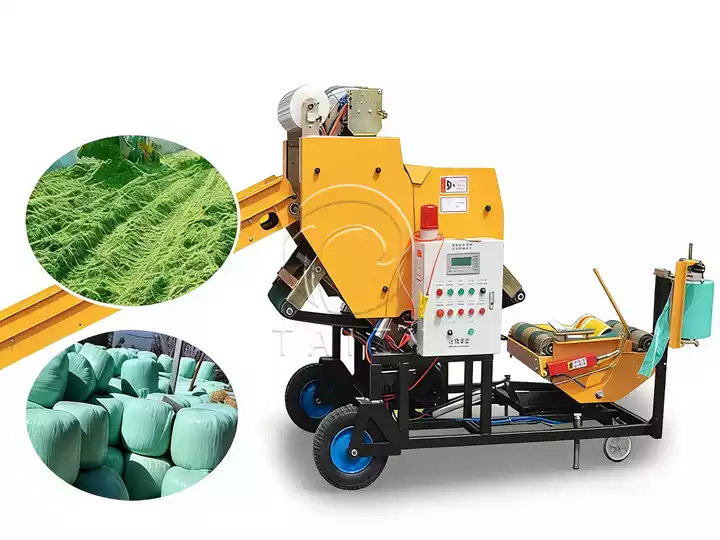
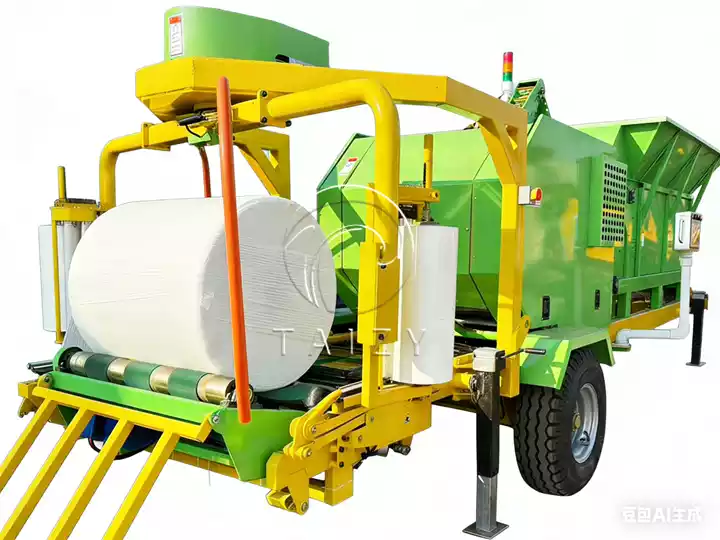
When used in conjunction with equipment such as chaff cutters, silage baler wrapper machines, this forage harvester can form a complete system covering everything from harvesting to storage and utilization, significantly improving livestock farming efficiency.
If you are looking for a high-efficiency, reliable silage solution, please feel free to contact us at any time for equipment videos, quotes, and personalized recommendations!