

















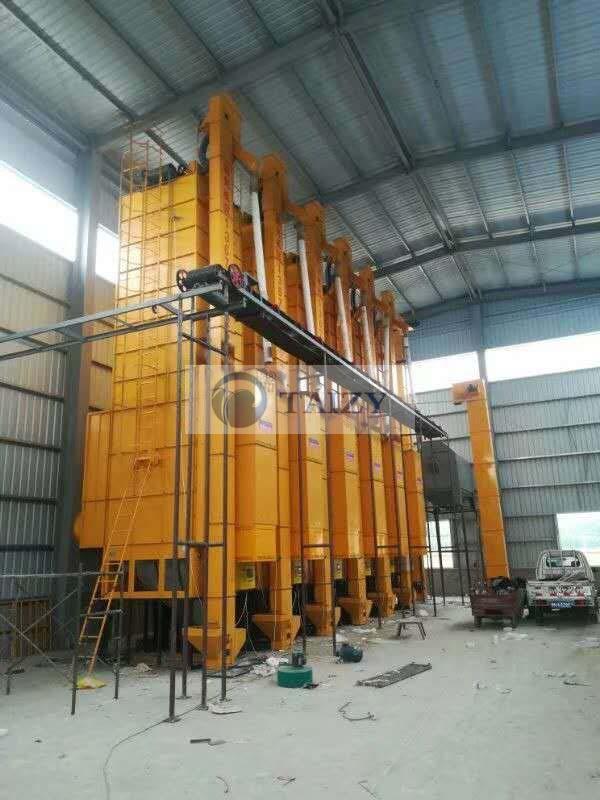
Most regions of the country are vigorously promoting máy sấy gạo. Agricultural machinery subsidies are effective and important measures, but the boundary line of subsidy is hard to draw. The average price of grain dryers is very high, so it is difficult for ordinary farmers to afford them. After purchasing by large dealers and cooperatives, the utilization rate is not high. It is not used a few times a year, but it takes up funds and space. However, processing enterprises and institutions have demand for the use of rice drying machine.
Xu hướng trợ cấp là gì?
Trong những năm gần đây, xu hướng trợ cấp cho máy móc nông nghiệp đã chuyển từ trợ cấp mua sắm sang trợ cấp theo thời gian làm việc. Ví dụ, trợ cấp để trả lại rơm rạ vào đồng. Thực tế, tỷ lệ thâm nhập của máy sấy gạo không cao, nhưng nó rất cần thiết trong mùa thu hoạch. Tuy nhiên, chi phí của thiết bị sấy gạo tương đối cao, và nhiều nông dân không thể chi trả. Nếu nhà nước hoặc chính quyền địa phương có thể trợ cấp một phần chi phí khi nông dân sấy grain, tỷ lệ mất mát grain sẽ giảm đi phần nào.
Hướng cải thiện là gì?
Giám sát thông minh. Ngay cả khi các khoản trợ cấp cho hoạt động sấy grain được áp dụng trong tương lai, việc giám sát vận hành sẽ là một khó khăn. Nếu không đưa ra các biện pháp đối phó trước, hành vi gian lận sẽ tràn lan.
Cá nhân mà nói, với sự giúp đỡ của giám sát thông minh qua Internet of Things, có thể giảm hoặc tránh các hành vi giả mạo xảy ra trong quá trình sấy.
Each máy sấy gạo can be equipped with remote monitoring equipment. Management agencies, manufacturers, and users can see detailed data of drying operations on computers and smart phones, such as crop types, weights, and dehydration rates. A lot of companies are developing monitoring devices that can transmit and display related data in time.