


















بقدر ما تهم زراعة الأرز في الحقل، يمكن تقسيمها إلى نوعين، أحدهما البذر المباشر، والآخر زراعة شتلات الأرز. يتم تحليل التصنيف ومزايا شتلة الأرز والزراعة كما يلي، كمرجع فقط.
نظرة عامة على زراعة الشتلات والشتلات
Rice seedling transplanting refers to a form of rice cultivation that changes the past practice of direct sowing in the field. Transplanting means to sow the rice seedlings directly: cultivates suitable-period and strong seedlings, and then transplants them to the field. The rice raising adopts a fully automatic rice nursery seedling planting machine, which has a high degree of automation and a high survival rate of rice seedling raising.
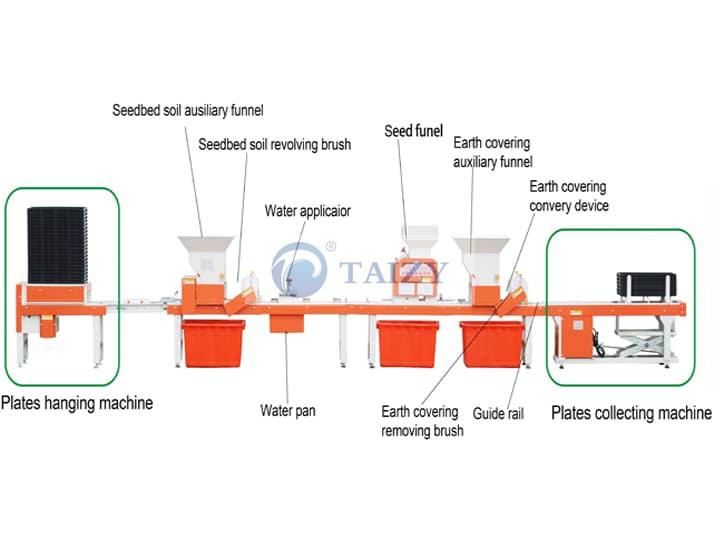
مزايا شتلة الأرز
- جودة شتلة الأرز جيدة، ولا يسهل تطور الأمراض خلال مرحلة الشتلة. القرص المرن كطبقة عازلة لا يحافظ على الحرارة فحسب، بل يدفئ أيضًا ويظل رطبًا، وهو مملوء بتربة مغذية مُحضّرة وفق أساليب علمية. يجمع بين مزايا طرق الشتلة المختلفة. النبتات بالكاد تتسبب في الذبول البكتيري والذبول. النمو سريع، والشتلات مرتبة وقوية. جودة الشتلات جيدة، وسوف تتحول إلى اللون الأخضر بسرعة بعد الزرع.
- يمكن أن يزيد نسبة شتلة الأرز، وهو أعلى بثلاث إلى خمس مرات من الطرق التقليدية.
- شتلة الأرز سهلة الإدارة. بما أن المساحة اللازمة للشتلات تقل، يمكن زراعتها في الساحة أمام المنزل وخلفه، وتشارك العمال المساعدة في العملية والإدارة. يمكن توفير الماء، وتهوية الشتلات، وتسميدها ورش المبيدات في الوقت المناسب وبالطريقة المناسبة. الشتلات المزروعة تُأخذ إلى شرائح مع التربة، وتنقل لتوفير العمل، وتزرع في الأرض بجذور كاملة، وتتحول إلى اللون الأخضر بسرعة، و لديها معدل بقاء عالٍ.
- خفض تكلفة تربية شتلات الأرز. يمكن أن يوفر ثلثي حقل الشتلات، توفير العمل والزراعة، وتوفير مواد الشتلات، وتوفير كمية كبيرة من الماء للشتلات. رغم أنه من الضروري شراء قرص مرن، فإن عمر القرص ثلاث إلى أربع سنوات، والتكلفة السنوية ليست عالية. لذلك، يتم تقليل التكلفة الإجمالية لتربية شتلات الأرز بشكل كبير وفقًا لذلك.
rice seedling machine video
تصنيف زراعة شتلات الأرز
يمكن تقسيم زراعة شتلات الأرز إلى زراعة آلية و زراعة يدوية وفقًا لجهة الزراعة.
مزايا موزع شتلات الأرز
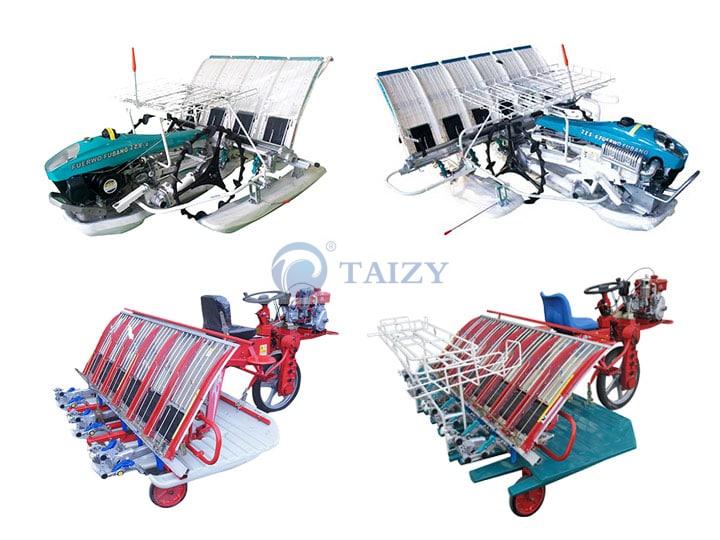
Mechanical transplanting refers to a kind of rice that uses mechanical equipment such as a 2-row rice transplanter, 4-row rice transplanter, 6-row rice transplanter, seedling sprayer to transplant rice seedlings of the appropriate period to the field according to requirements and standards. At present, mechanical transplanting mainly refers to transplant rice seedlings by the آلة زراعة الأرز. Rice transplanting machine is suitable for large area transplanting, and its efficiency is high.
زراعة شتلات الأرز يدويًا
Manual transplanter refers to a form of rice cultivation. The seedlings of the appropriate period are transplanted to the field. It is a purely artificial manner in accordance with agronomic requirements and specifications without the use of mechanical equipment. Manual transplanting efficiency is slow and suitable for transplanting in a small area. The development of plug tray seedlings has led to the artificial throwing of seedlings in seedling transplanting. The seedlings in the pot are artificially oriented or mechanically thrown to make the roots of the seedlings fall freely into the field for planting. Artificial throwing seedlings used to be a major form of cultivation of seedlings in the tray and has been promoted worldwide, but with the upgrading of rice seedling transplanting technology, few people have adopted this technology anymore.