


















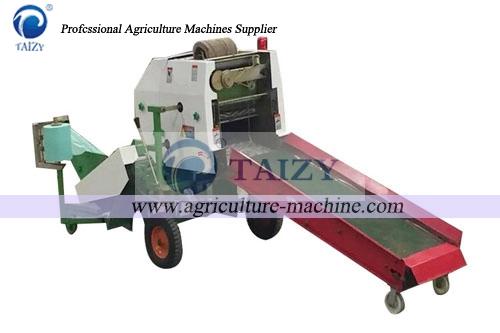
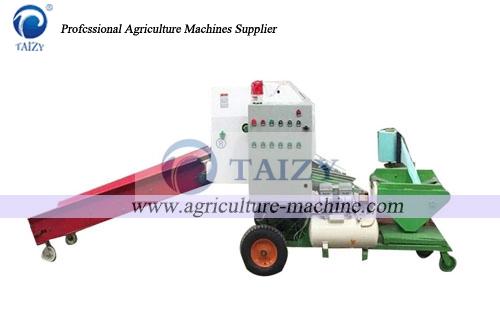
Lors de l'utilisation de Machine à balles d'ensilage entièrement automatique pour faire de l'ensilage, nous devons arrêter l'alimentation dans la plage de réglage de la machine, afin que la densité de l'alimentation puisse être optimale, car plus la densité est élevée, plus l'air reste à l'intérieur de l'aliment. Moins, au contraire, plus il y a d'air dans l'aliment, avant de pouvoir déchiffrer l'importance de l'ensilage, nous comprenons d'abord comment l'oxygène dans l'ensilage après l'enveloppement est consommé !
First of all, the respiration of plants, although the plants are shredded by us, but the plant cells are still breathing all the time. They suck in oxygen, and they exhale carbon monoxide. The whole process is to consume organic matter in plants. Completed, the more oxygen, the more organic matter is consumed, that is, the more dry matter loss we often say, and if there is too much oxygen remaining in the feed, the large amount of heat generated by the respiration will cause the feed to heat up. If the feed temperature is too high, it is likely to cause other bad reactions, resulting in the loss of a large amount of nutrients in the feed. Today, Xiaobian gives everyone a way to reduce the loss of dry matter:
In order to reduce the dry matter loss of silage, the best and most effective way is to increase the density of the feed and add the appropriate amount of silage starter according to the actual situation.
The chemical reaction of plant respiration is as follows: C6H12O6+6O2=6CO2+ 6H2O+ 2821KJ. The process of respiration is a process in which the organic matter contained in the plant and the oxygen react chemically to produce carbon monoxide and water and energy. The energy generated by the respiration brings about the temperature change of the feed, so the fever and the plant occurring when the silage is produced There is a certain relationship between respiration.
En même temps que la respiration de la plante, certaines bactéries de décomposition aérobie et moisissures restantes dans l'ensilage consomment également l'oxygène résiduel dans l'alimentation, et le glucose, le fructose, les protéines et autres substances contenues dans l'ensilage sont utilisées comme réactifs. Des réactions métaboliques se produisent, qui produisent des mycotoxines (telles que les aflatoxines, la pénicilline, etc.) et d'autres éléments qui détériorent l'ensilage. Par conséquent, un ensilage avec une solidité insuffisante durera longtemps, entraînant une mauvaise qualité de l'ensilage après fermentation. Bien que le problème dans ce domaine soit fatal, nous pouvons éviter cette situation autant que possible. La Machine à balles d'ensilage entièrement automatique peut maximiser la compaction de l'alimentation, réduire la perte de matière sèche et améliorer la qualité de l'ensilage.