


When you deliver soybeans to buyers, grain merchants do not just check total weight. Impurities, broken grains and dust directly pull down your grade and final payment. A reliable bean threshing cleaning machine turns raw threshed beans into market‑ready grain, helping farmers lock in higher selling prices with less post‑harvest waste.
Why dirty soybeans lower your profit?
Many growers separate threshing and cleaning into two separate steps. After threshing, soybeans mix with straw, husks, soil and shriveled beans. Buyers will deduct weight for impurities or offer a discounted price for low‑grade grain.
Common losses caused by poor cleaning include:
- Price cuts due to high impurity content
- Extra labor cost for manual picking and re‑screening
- Longer waiting time at grain collection stations
- Higher mold risk when straw and debris stay mixed with beans
Even with careful manual work, it is hard to reach the consistent cleanliness standard that commercial buyers require. This is where a professional bean threshing cleaning machine creates clear value for soybean farms and cooperatives.
How a bean threshing cleaning machine improves bean quality?
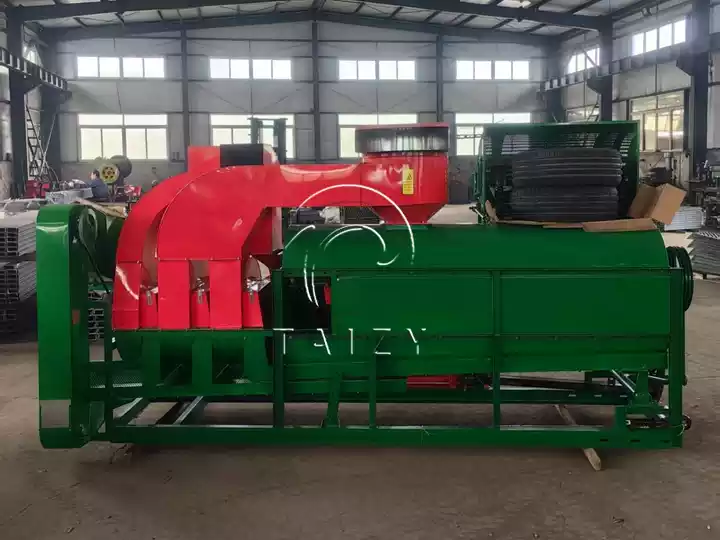
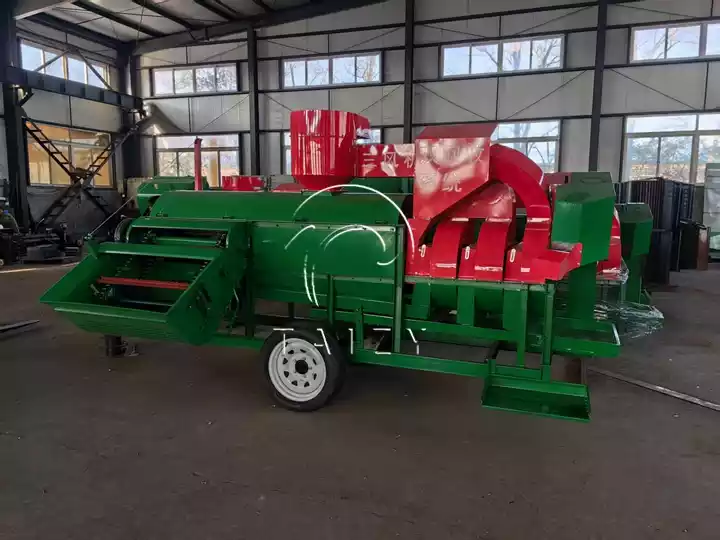
A good bean threshing cleaning machine combines threshing, screening and air separation in one unit. Instead of threshing first and cleaning later, it removes light waste right as beans are separated from stalks.
The three‑fan design widely used on our models delivers two major advantages:
- Multiple rounds of air blowing separate husks, dust and lightweight impurities without hurting intact soybeans.
- Layered screens filter out oversized straw and small soil particles separately.
Compared with single‑fan simple threshers, this integrated system keeps breakage low while meeting strict grain cleanliness standards. (View our three‑fan system soybean thresher for field use)
When this machine makes the biggest difference?
This equipment works best for operations that sell soybeans directly to grain traders, oil mills or export suppliers. If your farm falls into one of these groups, upgrading to a bean threshing cleaning machine is worth considering:
- Medium and large soybean planting cooperatives
- Farmers who sell beans by grade instead of bulk low‑price delivery
- Harvest teams that provide mobile threshing service for nearby farms
- Growers who need finished clean beans ready for bagging right in the field
For small home gardens with only a few mu of soybeans, simple manual tools may still be enough. But once you care about stable grain grade and profit margin, integrated threshing and cleaning equipment becomes a practical investment.
Quick tips to keep your soybeans clean after processing
Buying the machine is only half the work. You can protect your selling price further with simple daily habits:
- Check screen gaps and fan speed before each harvest batch
- Avoid overfeeding, which reduces cleaning efficiency and raises breakage
- Clean leftover straw from the bean threshing cleaning machine after each working day
- Store cleaned soybeans in dry, ventilated bags or silos to prevent moisture buildup
Final thought
Clean grain is not just a cosmetic requirement — it is how soybean growers get paid fairly. A high‑quality bean threshing cleaning machine cuts manual work, reduces grain loss, and helps your soybeans qualify for top market prices.
If you are tired of price deductions caused by impurities, integrated threshing and cleaning equipment is one of the most effective upgrades for your post‑harvest workflow.