


















Reducing the rate of broken rice and increasing the rate of whole rice have become a way to improve the comprehensive economic benefits of enterprises. The higher the temperature of the rice mill is, the more broken rice is produced. This is a common phenomenon in rice factories. In the process of rice milling, the sand roller grinds the surface of the rice grain to remove the crust layer and the rice grains in the whitening chamber are subjected to friction and collision, which will generate a large amount of heat, so that the surface temperature of the rice grain is increased.
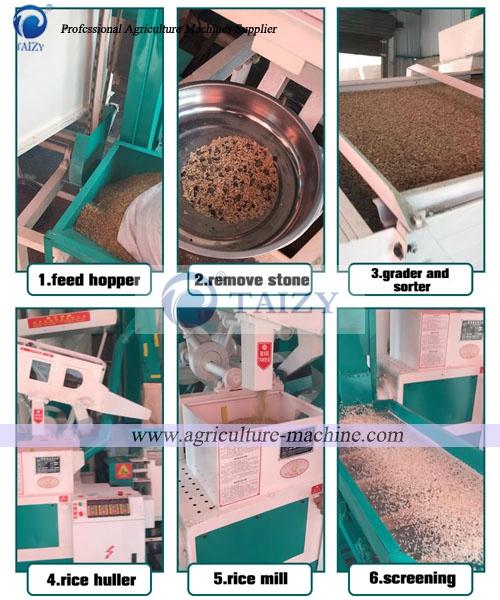
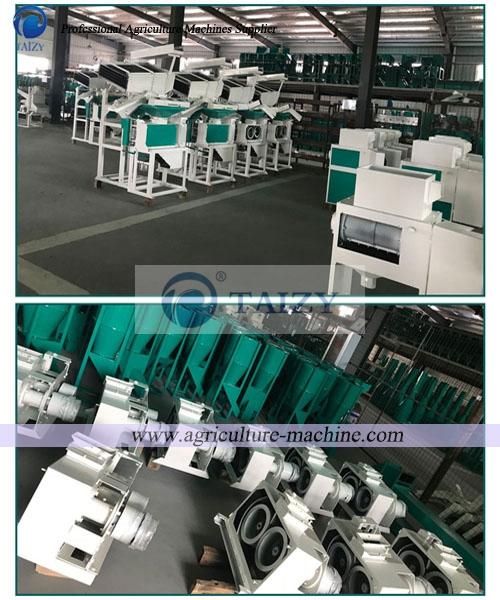
Due to the poor thermal conductivity of the rice grains and the slower inward transfer of the surface temperature of the rice grains, a temperature gradient (temperature difference) is formed from the outside to the inside. A large temperature difference causes thermal stress to be generated inside the rice grains, and the thermal stress exceeds the inherent strength of the rice grains. The rice ruptures or bursts. The structure of the traditional rice machine determines that the rice machine has a large ventilation resistance, and the air volume passing through is small, and it is difficult to suppress the rice temperature from rising during the очистка риса process to produce broken rice. Achieving low-temperature rice milling and inhibiting the rise of rice temperature is an effective method to reduce cockroaches.
By increasing the amount of air that penetrates the whitening chamber, it is possible to achieve low-temperature rise and increase the rice milling rate. Low-temperature rise rice is to use the wind sprayed into the whitening chamber to pass through the rice grain layer to take away the heat generated by the grinding to suppress the rise of the rice temperature. Therefore, the key technology of the low-temperature rising рисовая мельница is to increase the wind pressure and air volume of the self-contained air blower of the rice machine, reduce the resistance of the wind sprayed into the front part of the whitening chamber and increase the ventilation amount of the whitening moving area per unit of output.