


















Al usar el Baling de ensilado totalmente automático para hacer ensilado, debemos dejar de alimentar dentro del rango de configuración de la máquina, para que la densidad de la alimentación sea óptima, porque cuanto mayor es la densidad, más aire permanece dentro de la alimentación. Menos, por el contrario, más aire en la alimentación, antes de poder descifrar la importancia del ensilado, primero entendemos cómo se consume el oxígeno en el ensilado después de envolverlo!
First of all, the respiration of plants, although the plants are shredded by us, but the plant cells are still breathing all the time. They suck in oxygen, and they exhale carbon monoxide. The whole process is to consume organic matter in plants. Completed, the more oxygen, the more organic matter is consumed, that is, the more dry matter loss we often say, and if there is too much oxygen remaining in the feed, the large amount of heat generated by the respiration will cause the feed to heat up. If the feed temperature is too high, it is likely to cause other bad reactions, resulting in the loss of a large amount of nutrients in the feed. Today, Xiaobian gives everyone a way to reduce the loss of dry matter:
In order to reduce the dry matter loss of silage, the best and most effective way is to increase the density of the feed and add the appropriate amount of silage starter according to the actual situation.
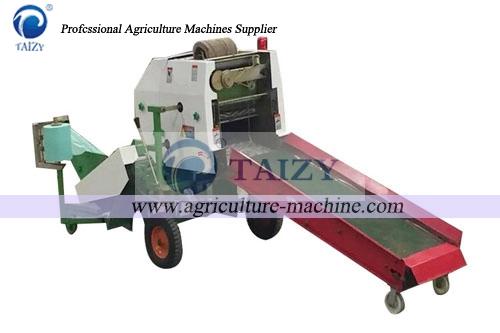
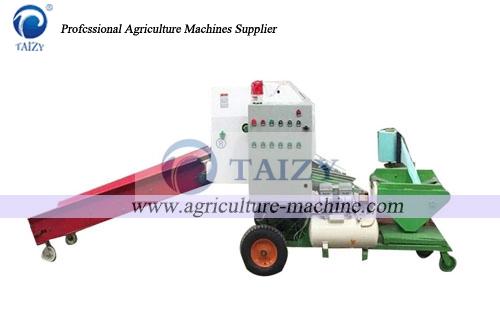
The chemical reaction of plant respiration is as follows: C6H12O6+6O2=6CO2+ 6H2O+ 2821KJ. The process of respiration is a process in which the organic matter contained in the plant and the oxygen react chemically to produce carbon monoxide and water and energy. The energy generated by the respiration brings about the temperature change of the feed, so the fever and the plant occurring when the silage is produced There is a certain relationship between respiration.
Al mismo tiempo que la respiración de la planta, algunas de las bacterias aeróbicas de deterioro y moho que quedan en el ensilado también consumen el oxígeno residual de la alimentación, y la glucosa, fructosa, proteína y otras sustancias contenidas en el ensilado se usan como reactivos. Ocurren reacciones metabólicas, que producen micotoxinas (como aflatoxinas, penicilinas, aflatoxinas, etc.) y algunas cosas que hacen que los ensilados se deterioren. Por lo tanto, el ensilado con solidez insuficiente durará poco y dará lugar a una baja calidad del ensilado tras la fermentación. Aunque el problema en este área es fatal, podemos evitar este tipo de situación en la mayor medida posible. La maquina de baling de ensilado totalmente automática puede maximizar la compactación de la alimentación, reducir la pérdida de materia seca y mejorar la calidad del ensilado.