


















Sebelum membuat silase, kita perlu mengetahui apa itu silase, apa bahan baku silase, proses silase, jenis-jenis silase, dan prinsip silase.
Apa itu Silase/Silase Jagung?
Silage is formed by sealing and fermenting plant feeds with more water content, and pemotong rumput is made by fresh corn stalk. It is mainly used to feed ruminants. Silage is more durable than fresh feed and has stronger nutrients than dry feed. In addition, the silage storage occupies a small area and there is no fire problem. Silage has a sour smell, soft and juicy, good palatability, rich nutrition, and is good for long-term storage. It is an excellent source of feed for livestock.
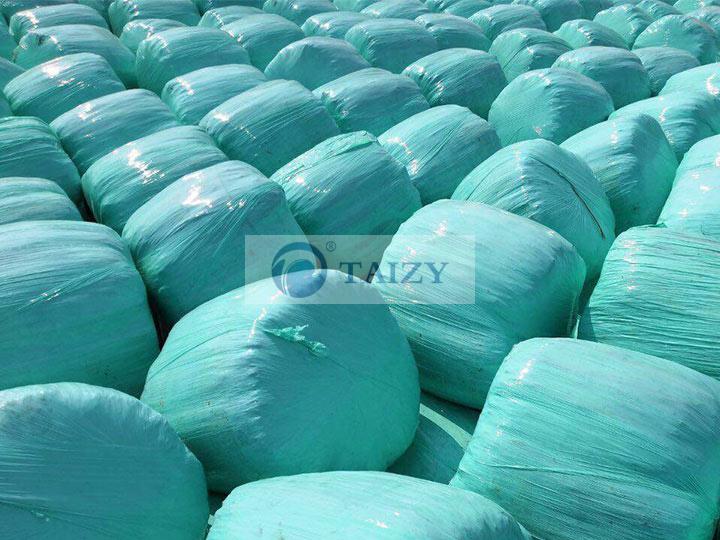
Apa saja bahan baku silase?
Use a pemotong sekam or a straw harvester to crush or harvest fresh crop products and by-products that contain a certain amount of sugar, such as corn stalks, wheat stalks, rice straw, sweet potato seedlings, and forage grass and other raw materials. The raw material is cut into lengths of 2-4 cm. It can be longer for those with more water content and softer, and shorter for those with less water content and harder. Various raw materials can be mixed and formulated, and the moisture content is preferably 55-70%. The prepared raw materials can be sealed, fermented, and permanently silaged by using a silage baling machine. Mature silage is green to dark green in color, soft and moist, and can be stored for about one year.
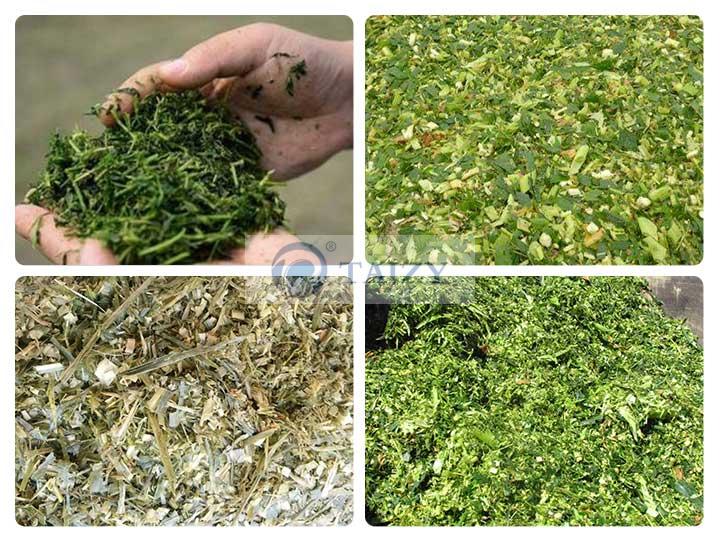
Proses Silase
There must be two processes from green pasture or straw to silage. One is the cutting or crushing of raw materials, and the other is the silage wrap. According to the livestock you raised, you can crush pasture, corn stalks, or other straw into different degrees, such as segments and kneading. After that, the crushed green feed is bundled, wrapped, and fermented by using a mesin penggulung silase. The suitable temperature during the silage process is 20°C, and the highest temperature should not exceed 37°C. The temperature is generally controlled at 35°C. It is best not to exceed 30°C. Generally speaking, the total number of microorganisms reaches the highest peak during 5-7 days of fermentation, and lactic acid bacteria are the main ones. Normal silage fermentation generally takes 17 to 21 days.
Jenis-Jenis Silase
Silase saat ini meliputi silase rumput, silase jagung, silase jerami padi, dan sebagainya. Menurut metode silase, ada beberapa jenis silase.
Silase umum: bahan baku dipotong, dipadatkan dan disegel untuk membuat bakteri asam laktat berkembang biak dalam lingkungan anaerob, sehingga mengubah pati dan gula larut dalam pakan menjadi asam laktat. Ketika asam laktat mencapai konsentrasi tertentu, pertumbuhan bakteri pembusuk terhambat dan nutrisi dalam pakan hijau tetap terjaga.
Silase semi-kering (silase dengan kelembapan rendah): Kandungan air bahan baku yang rendah membuat mikroorganisme dalam keadaan kering secara fisiologis, dan pertumbuhan serta reproduksi mereka terhambat. Mikroorganisme dalam pakan mengalami fermentasi yang lemah, dan nutrisi tidak terdegradasi, sehingga mencapai tujuan mempertahankan nutrisi. Karena kandungan air yang rendah dari jenis silase ini, kondisi lain tidak terlalu ketat, sehingga dibandingkan dengan silase umum, bahan baku yang dapat digunakan lebih beragam.
Silase aditif: Beberapa aditif ditambahkan untuk mempengaruhi fermentasi silase. Seperti menambahkan berbagai karbohidrat larut, inokulasi bakteri asam laktat, menambahkan preparat enzim, dll., yang dapat mendorong fermentasi asam laktat, menghasilkan asam laktat dalam jumlah besar dengan cepat, sehingga pH akan cepat mencapai yang diperlukan (3,8-4,2); atau menambahkan berbagai asam, agen antibakteri, dll. Ini dapat menghambat pertumbuhan bakteri pembusuk dan mikroorganisme lain yang tidak menguntungkan untuk silase. Ini dapat meningkatkan efek silase dan memperluas jangkauan bahan baku silase.
Prinsip Silase
Prinsip Fermentasi Asam Laktat
Silage is a kind of rough feed obtained by cutting green feed with a moisture content of 65%-75%, and under airtight anoxic conditions through the fermentation of anaerobic lactic acid bacteria to inhibit the reproduction of various bacteria. Fresh pasture and forage crops are cut by using a chuff cutter machine or a corn silage harvester machine and then wrapped the film with a silase baler and wrapper machine to allow the fresh pasture to ferment in an air-isolated environment. The plant cells can still perform respiration and deplete the residual oxygen in the silage material in the membrane, causing anaerobic conditions and promoting the reproduction of lactic acid bacteria. Through the anaerobic acidification process, the carbohydrates (mainly sugars ) in the silage raw materials are transformed into organic acids mainly composed of lactic acid and accumulated in the silage raw materials. When the organic acid accumulates to 0.65% to 1.30% (good silage can reach 1.5% to 2.0%), or when the pH drops below 4.2 to 4.0, most microorganisms stop reproducing. Due to the continuous accumulation of lactic acid, the acidity increases, and finally the lactic acid bacteria themselves are inhibited and stop moving, so that the feed can be stored for a long time.
Catatan: Silase mengandung lebih banyak asam organik, yang memiliki efek pencahar. Biarkan ternak beradaptasi secara bertahap dengan rasanya saat Anda mulai memberi makan. Tidak perlu secara sengaja menyegel setelah setiap penggunaan, karena pemadatan tidak dapat dilakukan saat itu, penyegelan dengan kain plastik malah membentuk lingkungan yang lembap dan panas, dan fermentasi sekunder menjadi lebih serius.
If you have any questions about the silage baler and wrapper machine, chaff cutter machine, and straw harvester machine mentioned in the article, you can refer to our product article.