


















Trước khi làm silage, chúng ta cần biết silage là gì, nguyên liệu của silage, quy trình làm silage, các loại silage, và nguyên lý của silage.
Silage / Silage ngô là gì?
Silage is formed by sealing and fermenting plant feeds with more water content, and máy cắt cỏ is made by fresh corn stalk. It is mainly used to feed ruminants. Silage is more durable than fresh feed and has stronger nutrients than dry feed. In addition, the silage storage occupies a small area and there is no fire problem. Silage has a sour smell, soft and juicy, good palatability, rich nutrition, and is good for long-term storage. It is an excellent source of feed for livestock.
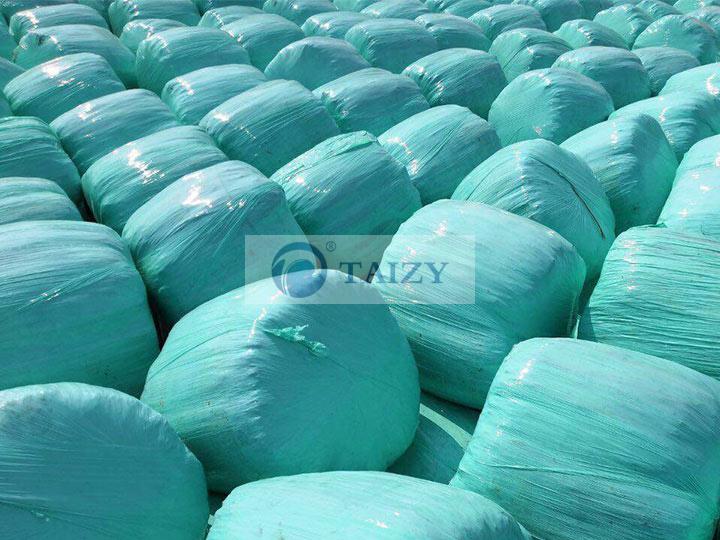
Nguyên liệu thô của silage là gì?
Use a Máy cắt rơm or a straw harvester to crush or harvest fresh crop products and by-products that contain a certain amount of sugar, such as corn stalks, wheat stalks, rice straw, sweet potato seedlings, and forage grass and other raw materials. The raw material is cut into lengths of 2-4 cm. It can be longer for those with more water content and softer, and shorter for those with less water content and harder. Various raw materials can be mixed and formulated, and the moisture content is preferably 55-70%. The prepared raw materials can be sealed, fermented, and permanently silaged by using a silage baling machine. Mature silage is green to dark green in color, soft and moist, and can be stored for about one year.
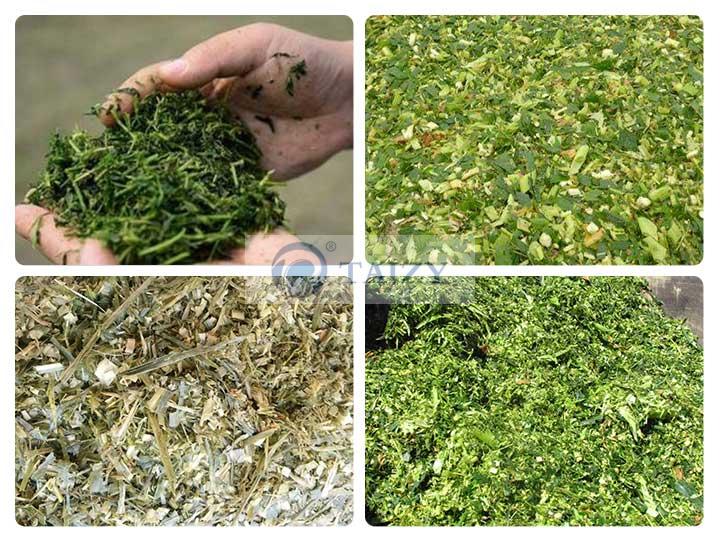
Quy trình của silage
There must be two processes from green pasture or straw to silage. One is the cutting or crushing of raw materials, and the other is the silage wrap. According to the livestock you raised, you can crush pasture, corn stalks, or other straw into different degrees, such as segments and kneading. After that, the crushed green feed is bundled, wrapped, and fermented by using a máy đóng rơm cỏ. The suitable temperature during the silage process is 20°C, and the highest temperature should not exceed 37°C. The temperature is generally controlled at 35°C. It is best not to exceed 30°C. Generally speaking, the total number of microorganisms reaches the highest peak during 5-7 days of fermentation, and lactic acid bacteria are the main ones. Normal silage fermentation generally takes 17 to 21 days.
Các loại silage
Silage hiện tại bao gồm silage cỏ, silage ngô, silage rơm gạo, v.v. Theo phương pháp làm silage, có các loại silage sau
Silage tổng quát: nguyên liệu thô được cắt nhỏ, nén chặt và niêm phong để vi khuẩn lactic sinh sôi trong môi trường kỵ khí, từ đó biến tinh bột và đường hòa tan trong thức ăn thành axit lactic. Khi tích tụ đủ nồng độ, axit lactic sẽ ức chế sự phát triển của vi khuẩn gây hư hỏng và bảo quản dinh dưỡng trong thức ăn xanh.
Silage bán khô (silage độ ẩm thấp): Hàm lượng nước thấp trong nguyên liệu khiến các vi sinh vật trong trạng thái khô sinh lý, và sự phát triển cũng như sinh sôi của chúng bị ức chế. Các vi sinh vật trong thức ăn yếu hơn trong quá trình lên men, và dinh dưỡng không bị phân hủy, nhằm mục đích bảo tồn dinh dưỡng. Do hàm lượng nước thấp của loại silage này, các điều kiện khác không quá khắt khe, nên so với silage tổng quát, có thể sử dụng nhiều nguyên liệu hơn.
Silage phụ gia: Một số phụ gia được thêm vào để ảnh hưởng đến quá trình lên men của silage. Như thêm các loại carbohydrate hòa tan, tiêm vi khuẩn lactic, thêm chế phẩm enzyme, v.v., có thể thúc đẩy quá trình lên men lactic, nhanh chóng tạo ra lượng lớn axit lactic, để pH nhanh chóng đạt mức yêu cầu (3,8-4,2); hoặc thêm các loại axit, chất kháng khuẩn, v.v. Nó có thể ức chế sự phát triển của vi khuẩn gây hư hỏng và các vi sinh vật khác không có lợi cho silage. Điều này có thể cải thiện hiệu quả silage và mở rộng phạm vi nguyên liệu silage.
Nguyên lý của silage
Nguyên lý lên men lactic acid
Silage is a kind of rough feed obtained by cutting green feed with a moisture content of 65%-75%, and under airtight anoxic conditions through the fermentation of anaerobic lactic acid bacteria to inhibit the reproduction of various bacteria. Fresh pasture and forage crops are cut by using a chuff cutter machine or a corn silage harvester machine and then wrapped the film with a máy bale silage and wrapper machine to allow the fresh pasture to ferment in an air-isolated environment. The plant cells can still perform respiration and deplete the residual oxygen in the silage material in the membrane, causing anaerobic conditions and promoting the reproduction of lactic acid bacteria. Through the anaerobic acidification process, the carbohydrates (mainly sugars ) in the silage raw materials are transformed into organic acids mainly composed of lactic acid and accumulated in the silage raw materials. When the organic acid accumulates to 0.65% to 1.30% (good silage can reach 1.5% to 2.0%), or when the pH drops below 4.2 to 4.0, most microorganisms stop reproducing. Due to the continuous accumulation of lactic acid, the acidity increases, and finally the lactic acid bacteria themselves are inhibited and stop moving, so that the feed can be stored for a long time.
Lưu ý: Silage chứa nhiều axit hữu cơ hơn, có tác dụng nhuận tràng. Khi bắt đầu cho ăn, để gia súc làm quen dần với mùi vị. Không cần thiết phải niêm phong cẩn thận sau mỗi lần sử dụng, vì sự nén chặt không thể thực hiện vào thời điểm này, niêm phong bằng vải nhựa thay vào đó tạo ra môi trường ẩm ướt và nóng, và quá trình lên men thứ cấp trở nên nghiêm trọng hơn.
If you have any questions about the silage baler and wrapper machine, chaff cutter machine, and straw harvester machine mentioned in the article, you can refer to our product article.