


















Silo yapmadan önce, silo nedir, silo'nun ham maddeleri nelerdir, silo süreci, silo türleri ve silo prensibi hakkında bilgi sahibi olmamız gerekir.
Silo/Mısır Silo Nedir?
Silage is formed by sealing and fermenting plant feeds with more water content, and çim biçme makinesi is made by fresh corn stalk. It is mainly used to feed ruminants. Silage is more durable than fresh feed and has stronger nutrients than dry feed. In addition, the silage storage occupies a small area and there is no fire problem. Silage has a sour smell, soft and juicy, good palatability, rich nutrition, and is good for long-term storage. It is an excellent source of feed for livestock.
Silo'nun Ham Maddeleri Nelerdir?
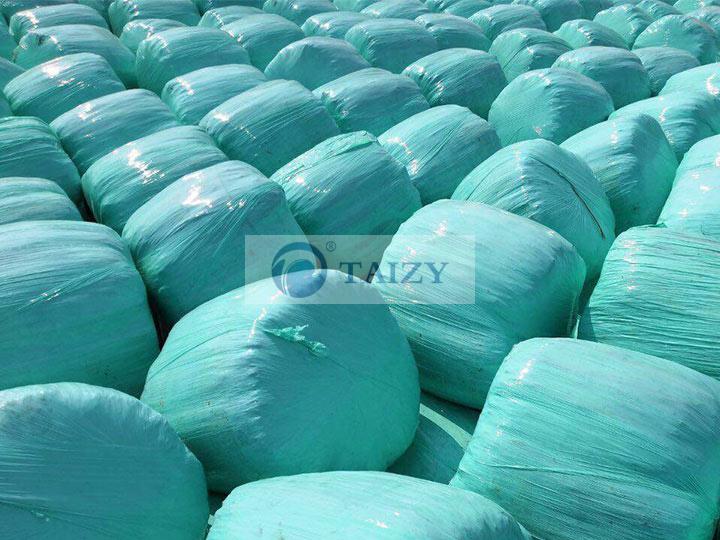
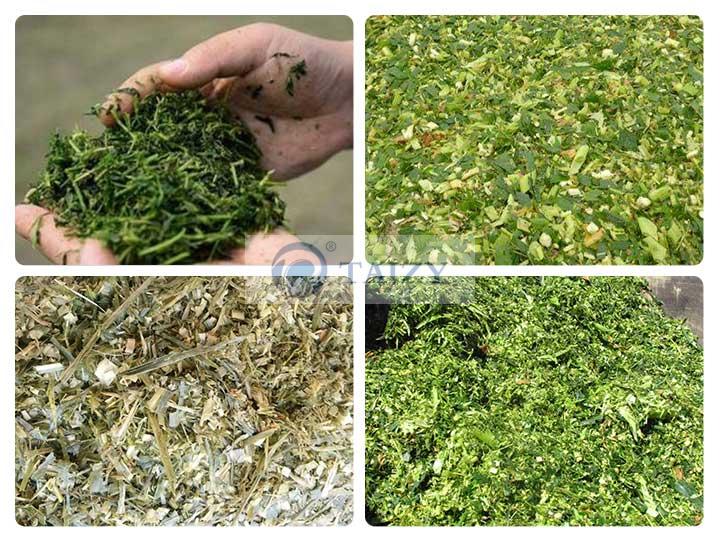
Use a samur kesici or a straw harvester to crush or harvest fresh crop products and by-products that contain a certain amount of sugar, such as corn stalks, wheat stalks, rice straw, sweet potato seedlings, and forage grass and other raw materials. The raw material is cut into lengths of 2-4 cm. It can be longer for those with more water content and softer, and shorter for those with less water content and harder. Various raw materials can be mixed and formulated, and the moisture content is preferably 55-70%. The prepared raw materials can be sealed, fermented, and permanently silaged by using a silage baling machine. Mature silage is green to dark green in color, soft and moist, and can be stored for about one year.
Silo Süreci
There must be two processes from green pasture or straw to silage. One is the cutting or crushing of raw materials, and the other is the silage wrap. According to the livestock you raised, you can crush pasture, corn stalks, or other straw into different degrees, such as segments and kneading. After that, the crushed green feed is bundled, wrapped, and fermented by using a silaj balyalama makinesi. The suitable temperature during the silage process is 20°C, and the highest temperature should not exceed 37°C. The temperature is generally controlled at 35°C. It is best not to exceed 30°C. Generally speaking, the total number of microorganisms reaches the highest peak during 5-7 days of fermentation, and lactic acid bacteria are the main ones. Normal silage fermentation generally takes 17 to 21 days.
Silo Türleri
Mevcut silo çeşitleri arasında ot silosu, mısır silosu, pirinç samanı silosu vb. bulunmaktadır. Silo yöntemine göre aşağıdaki silo türleri vardır.
Genel silo: Ham maddeler kesilir, sıkıştırılır ve anaerobik ortamda laktik asit bakteralarının çoğalması için kapatılır, böylece yemdeki nişasta ve çözünür şeker laktik asite dönüşür. Laktik asit belirli bir konsantrasyona ulaştığında, bozulma bakterilerinin büyümesini engeller ve yeşil yemlerin besin maddelerini korur.
Yarı kuru silo (düşük nemli silo): Ham maddelerin düşük nem içeriği, mikroorganizmaların fizyolojik olarak kuru bir durumda olmasına neden olur ve büyüme ve üremeleri engellenir. Yemdeki mikroorganizmalar zayıf bir şekilde fermente olur ve besin maddeleri parçalanmaz, böylece besin maddelerini koruma amacı gerçekleştirilir. Bu tür silo düşük nem içeriğine sahip olduğundan, diğer koşullar katı değildir, bu nedenle genel silo ile karşılaştırıldığında daha geniş bir ham madde yelpazesi kullanılabilir.
Katkı maddesi silosu: Fermentasyonu etkilemek için bazı katkı maddeleri eklenir. Çeşitli çözünür karbonhidratlar eklemek, laktik asit bakteralarını inoküle etmek, enzim preparatları eklemek gibi, bu laktik asit fermentasyonunu teşvik edebilir, hızlı bir şekilde büyük miktarda laktik asit üretebilir, böylece pH hızla gerekli (3.8-4.2) seviyeye ulaşır; veya çeşitli asitler, antibakteriyel maddeler vb. eklenebilir. Bu, bozulma bakteralarının ve silo için uygun olmayan diğer mikroorganizmaların büyümesini engelleyebilir. Bu, silo etkisini artırabilir ve silo ham maddelerinin yelpazesini genişletebilir.
Silo Prensibi
Laktik Asit Fermentasyonu Prensibi
Silage is a kind of rough feed obtained by cutting green feed with a moisture content of 65%-75%, and under airtight anoxic conditions through the fermentation of anaerobic lactic acid bacteria to inhibit the reproduction of various bacteria. Fresh pasture and forage crops are cut by using a chuff cutter machine or a corn silage harvester machine and then wrapped the film with a silaj balyalama makinesi and wrapper machine to allow the fresh pasture to ferment in an air-isolated environment. The plant cells can still perform respiration and deplete the residual oxygen in the silage material in the membrane, causing anaerobic conditions and promoting the reproduction of lactic acid bacteria. Through the anaerobic acidification process, the carbohydrates (mainly sugars ) in the silage raw materials are transformed into organic acids mainly composed of lactic acid and accumulated in the silage raw materials. When the organic acid accumulates to 0.65% to 1.30% (good silage can reach 1.5% to 2.0%), or when the pH drops below 4.2 to 4.0, most microorganisms stop reproducing. Due to the continuous accumulation of lactic acid, the acidity increases, and finally the lactic acid bacteria themselves are inhibited and stop moving, so that the feed can be stored for a long time.
Not: Silo, daha fazla organik asit içerir, bu da müshil etkisi yapar. İlk kez beslemeye başladığınızda, hayvanların tadına yavaş yavaş alışmasına izin verin. Her kullanımdan sonra kasıtlı olarak kapatmaya gerek yoktur, çünkü bu durumda sıkıştırma yapılamaz, plastik örtü ile kapatmak bunun yerine nemli ve sıcak bir ortam oluşturur ve ikincil fermentasyon daha ciddi hale gelir.
If you have any questions about the silage baler and wrapper machine, chaff cutter machine, and straw harvester machine mentioned in the article, you can refer to our product article.