


















سلج بنانے سے پہلے، ہمیں یہ جاننا ضروری ہے کہ سلج کیا ہے، سلج کے خام مواد کیا ہیں، سلج کا عمل، سلج کی اقسام، اور سلج کا اصول۔
سلج / مکئی کا سلج کیا ہے؟
Silage is formed by sealing and fermenting plant feeds with more water content, and گھاس کا کاٹنے والا is made by fresh corn stalk. It is mainly used to feed ruminants. Silage is more durable than fresh feed and has stronger nutrients than dry feed. In addition, the silage storage occupies a small area and there is no fire problem. Silage has a sour smell, soft and juicy, good palatability, rich nutrition, and is good for long-term storage. It is an excellent source of feed for livestock.
سلج کے خام مواد کیا ہیں؟
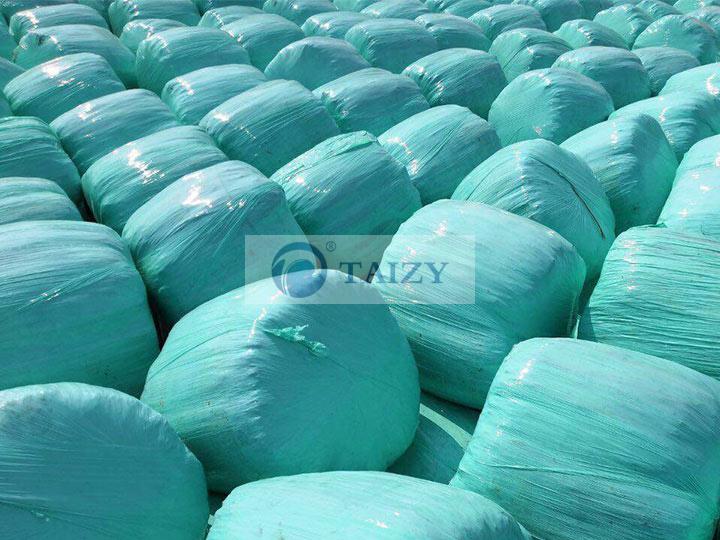
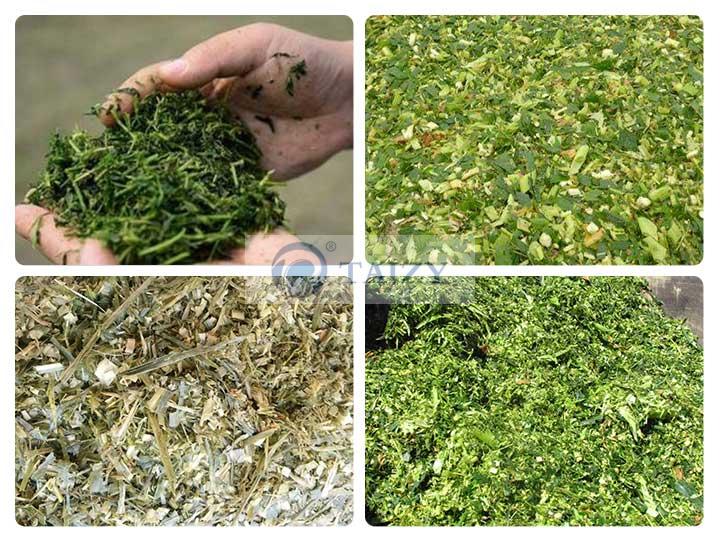
Use a چاف کٹر or a straw harvester to crush or harvest fresh crop products and by-products that contain a certain amount of sugar, such as corn stalks, wheat stalks, rice straw, sweet potato seedlings, and forage grass and other raw materials. The raw material is cut into lengths of 2-4 cm. It can be longer for those with more water content and softer, and shorter for those with less water content and harder. Various raw materials can be mixed and formulated, and the moisture content is preferably 55-70%. The prepared raw materials can be sealed, fermented, and permanently silaged by using a silage baling machine. Mature silage is green to dark green in color, soft and moist, and can be stored for about one year.
سلج کا عمل
There must be two processes from green pasture or straw to silage. One is the cutting or crushing of raw materials, and the other is the silage wrap. According to the livestock you raised, you can crush pasture, corn stalks, or other straw into different degrees, such as segments and kneading. After that, the crushed green feed is bundled, wrapped, and fermented by using a سائلج بیلر مشین. The suitable temperature during the silage process is 20°C, and the highest temperature should not exceed 37°C. The temperature is generally controlled at 35°C. It is best not to exceed 30°C. Generally speaking, the total number of microorganisms reaches the highest peak during 5-7 days of fermentation, and lactic acid bacteria are the main ones. Normal silage fermentation generally takes 17 to 21 days.
سلج کی اقسام
موجودہ سلج میں گھاس کا سلج، مکئی کا سلج، چاول کا بھوسہ سلج، وغیرہ شامل ہیں۔ سلج کے طریقہ کار کے مطابق، درج ذیل اقسام کے سلج ہیں۔
عام سلج: خام مواد کو کاٹا، کمپریس اور سیل کیا جاتا ہے تاکہ لایکٹک ایسڈ بیکٹیریا ایک نامیاتی ماحول میں بڑھ سکیں، اس طرح خوراک میں موجود نشاستہ اور حل پذیر شکر کو لایکٹک ایسڈ میں تبدیل کیا جاتا ہے۔ جب لایکٹک ایسڈ ایک مخصوص مقدار تک جمع ہو جاتا ہے، تو یہ خراب ہونے والے بیکٹیریا کی نشوونما کو روکتا ہے اور سبز خوراک کے غذائی اجزاء کو محفوظ رکھتا ہے۔
نیم خشک سلج (کم نمی والی سلج): خام مواد کی کم نمی کی وجہ سے، مائکروآرگنزمز جسمانی طور پر خشک حالت میں ہوتے ہیں، اور ان کی نشوونما اور تولید کو روکا جاتا ہے۔ خوراک میں موجود مائکروآرگنزمز کمزور خمیر کرتے ہیں، اور غذائی اجزاء کو خراب نہیں کرتے، تاکہ غذائیت کو محفوظ رکھا جا سکے۔ اس قسم کے سلج کی کم نمی کی وجہ سے، دیگر حالات زیادہ سخت نہیں ہوتے، اس لیے عام سلج کے مقابلے میں، خام مواد کی وسیع اقسام استعمال کی جا سکتی ہیں۔
ایڈٹیو سلج: کچھ ایڈٹیو کو خمیر کے عمل کو متاثر کرنے کے لیے شامل کیا جاتا ہے۔ جیسے کہ مختلف حل پذیر کاربوہائیڈریٹس، لایکٹک ایسڈ بیکٹیریا کا انوکولیشن، انزائم تیاریاں، وغیرہ، جو لایکٹک ایسڈ خمیر کو فروغ دیتی ہیں، اور جلدی سے زیادہ مقدار میں لایکٹک ایسڈ پیدا کرتی ہیں، تاکہ pH جلدی سے مطلوبہ (3.8-4.2) تک پہنچ جائے؛ یا مختلف تیزاب، اینٹی بیکٹیریل ایجنٹس شامل کریں، جو خراب ہونے والے بیکٹیریا اور دیگر مائکروآرگنزمز کی نشوونما کو روک سکتے ہیں۔ یہ سلج کے اثر کو بہتر بناتا ہے اور سلج کے خام مواد کی اقسام کو بڑھاتا ہے۔
سلج کا اصول
لایکٹک ایسڈ خمیر کا اصول
Silage is a kind of rough feed obtained by cutting green feed with a moisture content of 65%-75%, and under airtight anoxic conditions through the fermentation of anaerobic lactic acid bacteria to inhibit the reproduction of various bacteria. Fresh pasture and forage crops are cut by using a chuff cutter machine or a corn silage harvester machine and then wrapped the film with a سائیلاج بیلر and wrapper machine to allow the fresh pasture to ferment in an air-isolated environment. The plant cells can still perform respiration and deplete the residual oxygen in the silage material in the membrane, causing anaerobic conditions and promoting the reproduction of lactic acid bacteria. Through the anaerobic acidification process, the carbohydrates (mainly sugars ) in the silage raw materials are transformed into organic acids mainly composed of lactic acid and accumulated in the silage raw materials. When the organic acid accumulates to 0.65% to 1.30% (good silage can reach 1.5% to 2.0%), or when the pH drops below 4.2 to 4.0, most microorganisms stop reproducing. Due to the continuous accumulation of lactic acid, the acidity increases, and finally the lactic acid bacteria themselves are inhibited and stop moving, so that the feed can be stored for a long time.
نوٹ: سلج میں زیادہ نامیاتی تیزاب ہوتے ہیں، جو قبض کشا اثر رکھتے ہیں۔ شروع میں مویشیوں کو ذائقہ عادی بنانے کے لیے آہستہ آہستہ استعمال کریں۔ ہر استعمال کے بعد اسے خاص طور پر سیل کرنے کی ضرورت نہیں ہے، کیونکہ اس وقت کمپریشن نہیں کیا جا سکتا، اور پلاسٹک کپڑوں سے سیل کرنا نمی اور گرم ماحول پیدا کرتا ہے، جس سے ثانوی خمیر زیادہ ہوتا ہے۔
If you have any questions about the silage baler and wrapper machine, chaff cutter machine, and straw harvester machine mentioned in the article, you can refer to our product article.