


















Перед изготовлением силоса необходимо знать, что такое силос, из какого сырья он делается, процесс силосования, виды силоса и принцип его действия.
Что такое силос/кукурузный силос?
Silage is formed by sealing and fermenting plant feeds with more water content, and трактор для травы is made by fresh corn stalk. It is mainly used to feed ruminants. Silage is more durable than fresh feed and has stronger nutrients than dry feed. In addition, the silage storage occupies a small area and there is no fire problem. Silage has a sour smell, soft and juicy, good palatability, rich nutrition, and is good for long-term storage. It is an excellent source of feed for livestock.
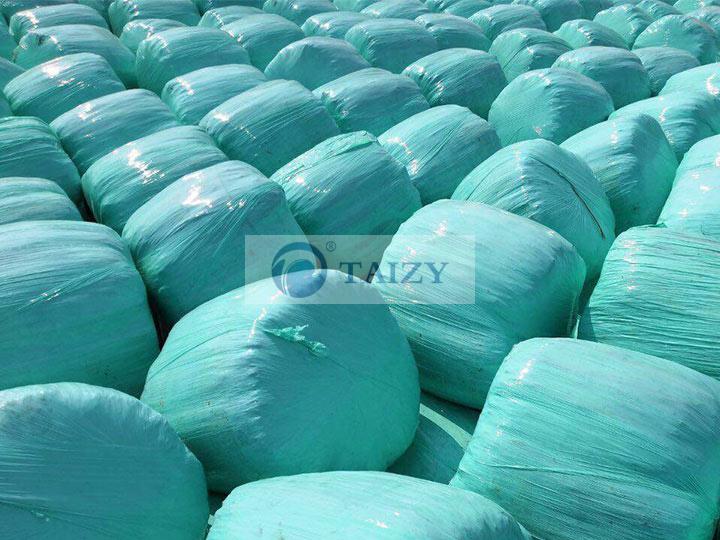
Какие сырья используются для силоса?
Use a жневающая машина or a straw harvester to crush or harvest fresh crop products and by-products that contain a certain amount of sugar, such as corn stalks, wheat stalks, rice straw, sweet potato seedlings, and forage grass and other raw materials. The raw material is cut into lengths of 2-4 cm. It can be longer for those with more water content and softer, and shorter for those with less water content and harder. Various raw materials can be mixed and formulated, and the moisture content is preferably 55-70%. The prepared raw materials can be sealed, fermented, and permanently silaged by using a silage baling machine. Mature silage is green to dark green in color, soft and moist, and can be stored for about one year.
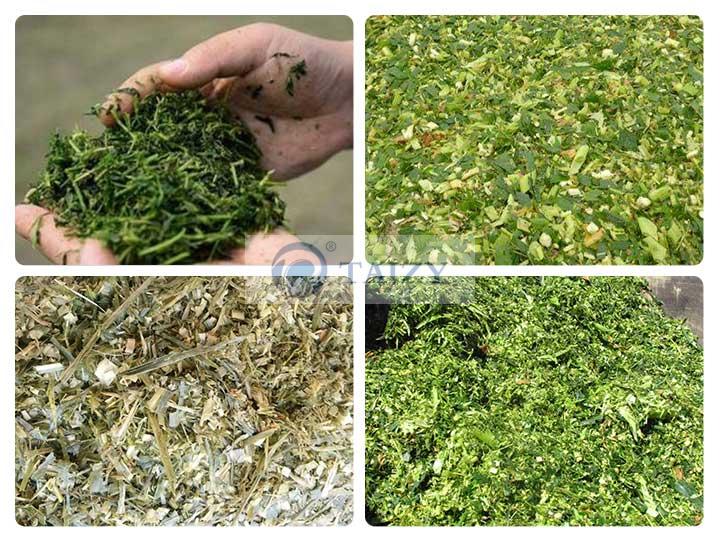
Процесс силоса
There must be two processes from green pasture or straw to silage. One is the cutting or crushing of raw materials, and the other is the silage wrap. According to the livestock you raised, you can crush pasture, corn stalks, or other straw into different degrees, such as segments and kneading. After that, the crushed green feed is bundled, wrapped, and fermented by using a машина для тюковки силоса. The suitable temperature during the silage process is 20°C, and the highest temperature should not exceed 37°C. The temperature is generally controlled at 35°C. It is best not to exceed 30°C. Generally speaking, the total number of microorganisms reaches the highest peak during 5-7 days of fermentation, and lactic acid bacteria are the main ones. Normal silage fermentation generally takes 17 to 21 days.
Виды силоса
Современный силос включает травяной силос, кукурузный силос, рисовую солому и т. д. В зависимости от метода силосования, существуют следующие виды силоса.
Общий силос: сырье измельчается, уплотняется и запечатывается для размножения молочнокислых бактерий в анаэробной среде, что превращает крахмал и растворимый сахар в корме в молочную кислоту. Когда концентрация молочной кислоты достигает определенного уровня, она подавляет рост бактерий порчи и сохраняет питательные вещества зеленого корма.
Полусухой силос (низкая влажность): низкое содержание влаги в сырье делает микроорганизмы в физиологически сухом состоянии, и их рост и размножение подавляются. Микроорганизмы в корме слабо ферментируются, и питательные вещества не разлагаются, что достигает цели сохранения питательных веществ. Из-за низкого содержания влаги этого типа силоса, условия не столь строгие, поэтому по сравнению с обычным силосом можно использовать более широкий спектр сырья.
Добавочный силос: в силос добавляют различные добавки для влияния на ферментацию. Например, добавление различных растворимых углеводов, закваска молочнокислых бактерий, добавление ферментных препаратов и т. д., что способствует молочнокислому брожению, быстрому образованию большого количества молочной кислоты, чтобы pH быстро достигло требуемого (3,8-4,2); или добавление различных кислот, антимикробных средств и т. д. Это может подавлять рост бактерий порчи и других микроорганизмов, не благоприятных для силоса. Это улучшает эффект силоса и расширяет диапазон сырья для силоса.
Принцип силоса
Принцип молочнокислого брожения
Silage is a kind of rough feed obtained by cutting green feed with a moisture content of 65%-75%, and under airtight anoxic conditions through the fermentation of anaerobic lactic acid bacteria to inhibit the reproduction of various bacteria. Fresh pasture and forage crops are cut by using a chuff cutter machine or a corn silage harvester machine and then wrapped the film with a силосный тюковщик and wrapper machine to allow the fresh pasture to ferment in an air-isolated environment. The plant cells can still perform respiration and deplete the residual oxygen in the silage material in the membrane, causing anaerobic conditions and promoting the reproduction of lactic acid bacteria. Through the anaerobic acidification process, the carbohydrates (mainly sugars ) in the silage raw materials are transformed into organic acids mainly composed of lactic acid and accumulated in the silage raw materials. When the organic acid accumulates to 0.65% to 1.30% (good silage can reach 1.5% to 2.0%), or when the pH drops below 4.2 to 4.0, most microorganisms stop reproducing. Due to the continuous accumulation of lactic acid, the acidity increases, and finally the lactic acid bacteria themselves are inhibited and stop moving, so that the feed can be stored for a long time.
Примечание: силос содержит больше органических кислот, что оказывает слабительное действие. При первом кормлении дайте скоту постепенно привыкнуть к вкусу. Не нужно специально запечатывать его после каждого использования, так как при этом невозможно уплотнение, а запечатывание пластиковой тканью создает влажную и горячую среду, что усугубляет вторичное брожение.
If you have any questions about the silage baler and wrapper machine, chaff cutter machine, and straw harvester machine mentioned in the article, you can refer to our product article.