


















在制作青贮之前,我们需要了解青贮的定义、原料、制作过程、类型以及原理。
什么是青贮/玉米青贮?
Silage is formed by sealing and fermenting plant feeds with more water content, and 割草机 is made by fresh corn stalk. It is mainly used to feed ruminants. Silage is more durable than fresh feed and has stronger nutrients than dry feed. In addition, the silage storage occupies a small area and there is no fire problem. Silage has a sour smell, soft and juicy, good palatability, rich nutrition, and is good for long-term storage. It is an excellent source of feed for livestock.
青贮的原料有哪些?
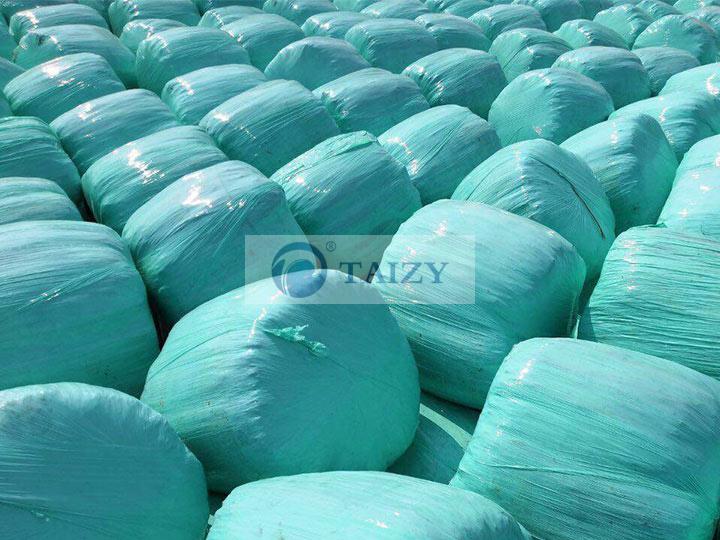
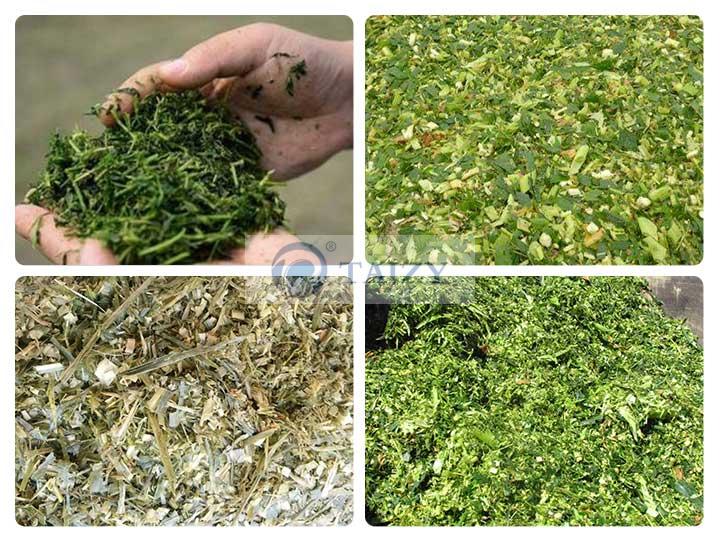
Use a 割草机 or a straw harvester to crush or harvest fresh crop products and by-products that contain a certain amount of sugar, such as corn stalks, wheat stalks, rice straw, sweet potato seedlings, and forage grass and other raw materials. The raw material is cut into lengths of 2-4 cm. It can be longer for those with more water content and softer, and shorter for those with less water content and harder. Various raw materials can be mixed and formulated, and the moisture content is preferably 55-70%. The prepared raw materials can be sealed, fermented, and permanently silaged by using a silage baling machine. Mature silage is green to dark green in color, soft and moist, and can be stored for about one year.
青贮的过程
There must be two processes from green pasture or straw to silage. One is the cutting or crushing of raw materials, and the other is the silage wrap. According to the livestock you raised, you can crush pasture, corn stalks, or other straw into different degrees, such as segments and kneading. After that, the crushed green feed is bundled, wrapped, and fermented by using a 青贮打包机. The suitable temperature during the silage process is 20°C, and the highest temperature should not exceed 37°C. The temperature is generally controlled at 35°C. It is best not to exceed 30°C. Generally speaking, the total number of microorganisms reaches the highest peak during 5-7 days of fermentation, and lactic acid bacteria are the main ones. Normal silage fermentation generally takes 17 to 21 days.
青贮的类型
目前的青贮包括草青贮、玉米青贮、稻草青贮等。根据青贮方法,青贮的类型如下:
普通青贮:将原料切碎、压实、密封,使乳酸菌在厌氧环境中繁殖,从而将饲料中的淀粉和可溶性糖转化为乳酸。当乳酸积累到一定浓度时,抑制腐败菌的生长,保存青绿饲料中的营养。
半干青贮(低水分青贮):原料水分含量低,使微生物处于生理干燥状态,其生长繁殖受到抑制。饲料中的微生物发酵较弱,营养物质未被分解,从而达到保存营养的目的。由于此类青贮的水分含量较低,其他条件不严格,因此比一般青贮使用的原料范围更广。
添加剂青贮:在青贮中加入一些添加剂以影响发酵过程。例如加入各种可溶性碳水化合物、接种乳酸菌、添加酶制剂等,可以促进乳酸发酵,快速产生大量乳酸,使pH值迅速达到所需的(3.8-4.2);或加入各种酸、抗菌剂等,可以抑制腐败菌和其他不利于青贮的微生物的生长。这可以改善青贮效果,扩大青贮原料的范围。
青贮的原理
乳酸发酵的原理
Silage is a kind of rough feed obtained by cutting green feed with a moisture content of 65%-75%, and under airtight anoxic conditions through the fermentation of anaerobic lactic acid bacteria to inhibit the reproduction of various bacteria. Fresh pasture and forage crops are cut by using a chuff cutter machine or a corn silage harvester machine and then wrapped the film with a 青贮打包机 and wrapper machine to allow the fresh pasture to ferment in an air-isolated environment. The plant cells can still perform respiration and deplete the residual oxygen in the silage material in the membrane, causing anaerobic conditions and promoting the reproduction of lactic acid bacteria. Through the anaerobic acidification process, the carbohydrates (mainly sugars ) in the silage raw materials are transformed into organic acids mainly composed of lactic acid and accumulated in the silage raw materials. When the organic acid accumulates to 0.65% to 1.30% (good silage can reach 1.5% to 2.0%), or when the pH drops below 4.2 to 4.0, most microorganisms stop reproducing. Due to the continuous accumulation of lactic acid, the acidity increases, and finally the lactic acid bacteria themselves are inhibited and stop moving, so that the feed can be stored for a long time.
注意:青贮含有较多的有机酸,具有泻下作用。刚开始喂养时,让牲畜逐渐适应其味道。无需每次使用后故意密封,因为此时无法压实,用塑料布密封反而会形成潮湿和高温环境,二次发酵更为严重。
If you have any questions about the silage baler and wrapper machine, chaff cutter machine, and straw harvester machine mentioned in the article, you can refer to our product article.